Skip to the pipeline
Ultra Lab

Kit 01

AI Motion Studio

From script to finished video, ten open-source tools that each own one step. We re-checked every licence and last update, and marked which ones we tested on Windows and which ones we have used in our own videos.

  • 10 tools
  • 6 tested by us
  • 5 used in our own videos
  • 10 commercial OK
  1. Step 1:Script

    Decide what to say, how long each beat runs and how each element moves.

    motion-design-skill

    LottieFiles

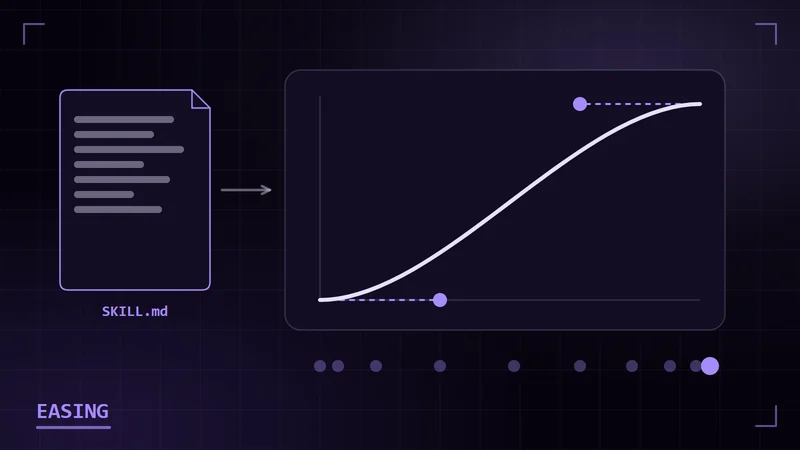
    Its job in this kitTeaches the AI timing first: while writing the script and storyboard it settles how fast each element enters, which easing it uses and what goes first.

    • Commercial OK MIT
    • ★ 3,300
    npx skills add LottieFiles/motion-design-skill

    Full card →GitHub ↗

  2. Step 2:Assets

    Prepare key visuals, backgrounds and small vector animations.

    ComfyUI

    Comfy-Org

    Its job in this kitGenerates key visuals, backgrounds and storyboard frames with open models; the pipeline saves as a file you can rerun with a new prompt.

    • ● We use it
    • Commercial OK GPL-3.0
    • ★ 147,433
    winget install Comfy.ComfyUI-Desktop

    We use it:The cyber-style key visuals of Ultra Lab's explainer-card shorts come from ComfyUI on our own machine, then get picked and layout-checked.

    Full card →GitHub ↗

    dotlottie-web

    LottieFiles

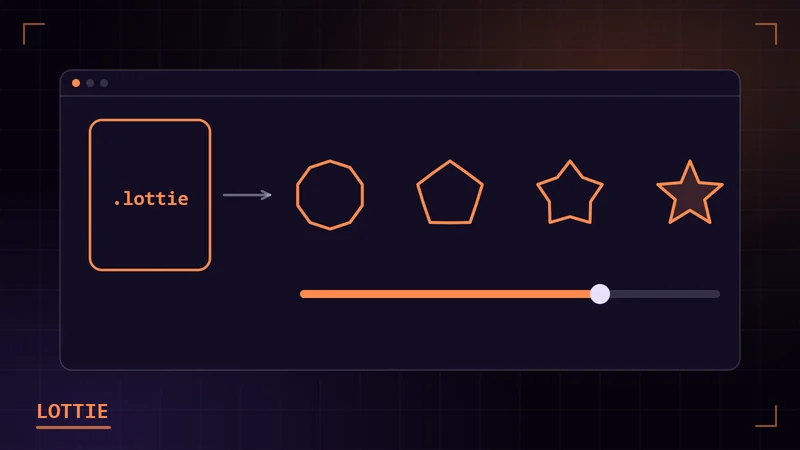
    Its job in this kitPlays designer-made vector animations such as icons and small character moves, small files that stay sharp at any size.

    • Commercial OK MIT
    • ★ 951
    npm install @lottiefiles/dotlottie-web

    Full card →GitHub ↗

  3. Step 3:Motion

    Make the frame move and render it into video, frame by frame.

    HyperFrames

    heygen-com

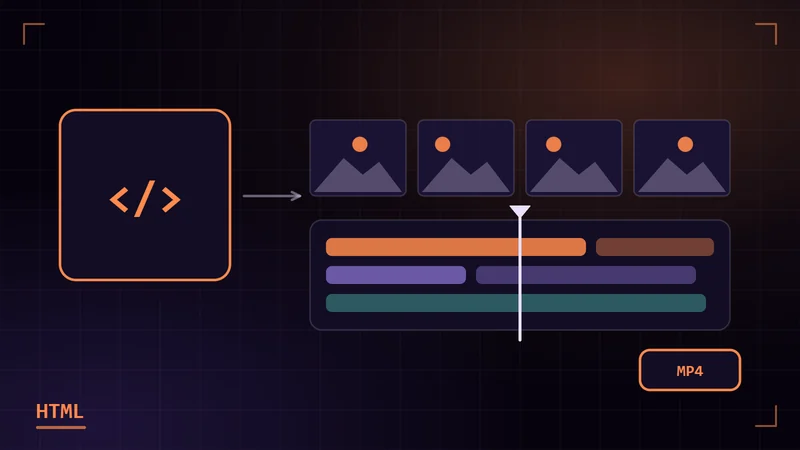
    Its job in this kitStage and renderer: frames are written in HTML and rendered to MP4 frame by frame. Anime.js and Three.js plug straight in.

    • ✓ Tested
    • ● We use it
    • Commercial OK Apache-2.0
    • ★ 85,475
    npx hyperframes init my-video

    We use it:Our Monday GitHub top 10 card video is rendered with it on our own machine, frame by frame, as a 1080×1920 vertical clip.

    Full card →GitHub ↗

    Anime.js

    juliangarnier

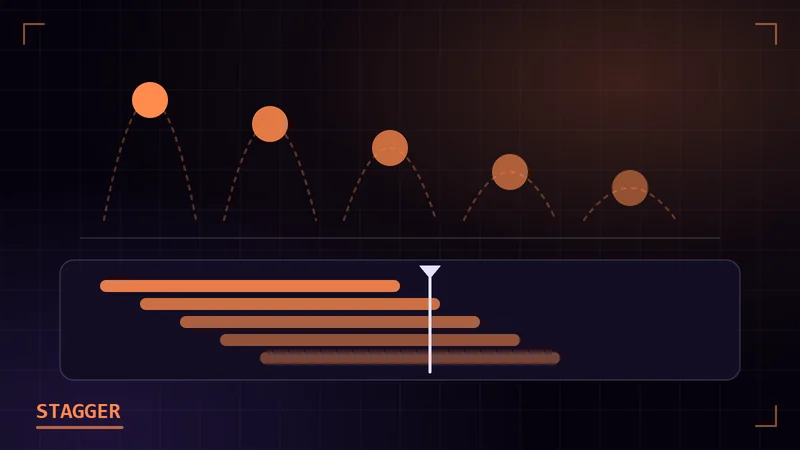
    Its job in this kitTimeline: controls when each element moves and how a row of elements staggers in.

    • ✓ Tested
    • Commercial OK MIT
    • ★ 74,870
    npm install animejs

    Full card →GitHub ↗

    Manim

    ManimCommunity

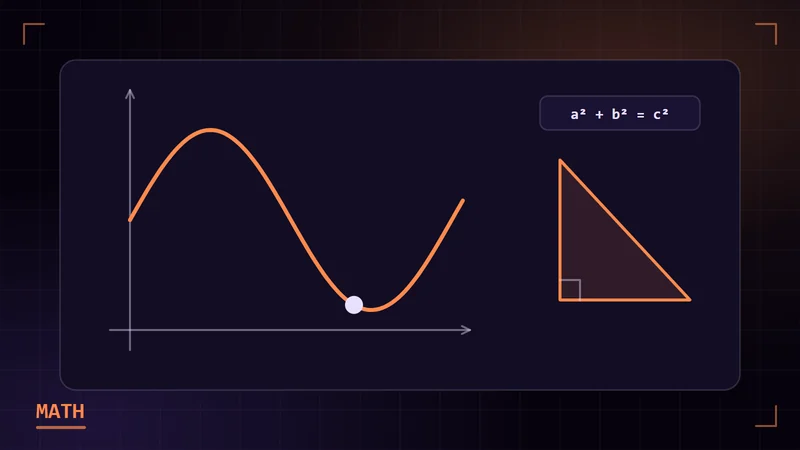
    Its job in this kitExplainers: formulas, graphs and flow diagrams, the parts where an idea has to be drawn clearly.

    • ✓ Tested
    • Commercial OK MIT
    • ★ 42,657
    pip install manim

    Full card →GitHub ↗

  4. Step 4:3D

    Shots that need depth and camera movement.

    Three.js

    mrdoob

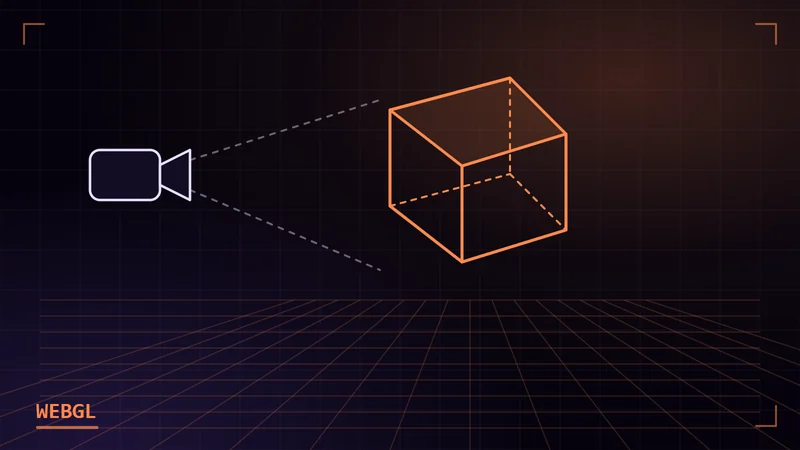
    Its job in this kitWeb 3D: scenes, lights and camera moves written in JavaScript and rendered frame by frame in the browser.

    • ● We use it
    • Commercial OK MIT
    • ★ 118,797
    npm install three

    We use it:The light cables, floor grid, dust and camera moves in Ultra Lab's brand film are all written in Three.js.

    Full card →GitHub ↗

    Blender

    blender

    Its job in this kitFull 3D: modelling, rigging and character animation, with renders dropped into the video as assets.

    • ✓ Tested
    • Commercial OK GPL-2.0-or-later
    • ★ 22,171
    winget install BlenderFoundation.Blender

    Full card →GitHub ↗

  5. Step 5:Captions

    Line captions up with the voice-over and check it for misreads.

    faster-whisper

    SYSTRAN

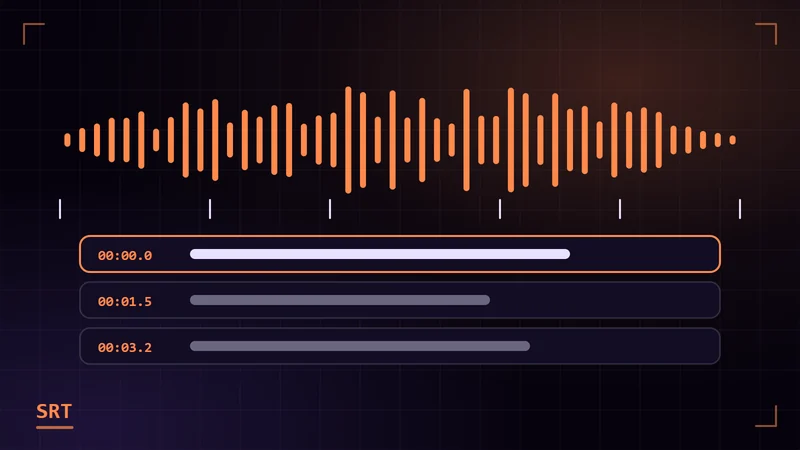
    Its job in this kitPulls per-word timing out of the voice-over for captions, and doubles as a check that the AI voice read the script correctly.

    • ✓ Tested
    • ● We use it
    • Commercial OK MIT
    • ★ 26,845
    pip install faster-whisper

    We use it:After the AI voice-over for our English shorts is generated, every line is transcribed word by word and compared with the script; two or more wrong words means a redo.

    Full card →GitHub ↗

  6. Step 6:Export

    Add audio, fix loudness, convert, grab a cover, deliver.

    FFmpeg

    FFmpeg

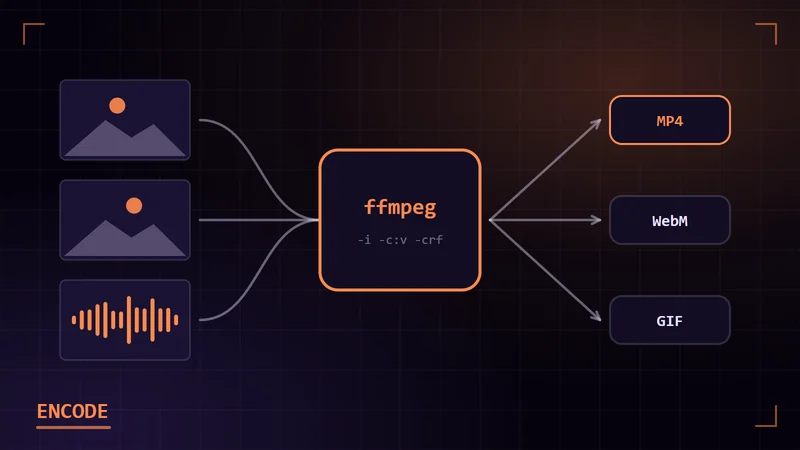
    Its job in this kitThe last mile: audio, loudness, formats and cover frames. Everything the other tools make passes through it at the end.

    • ✓ Tested
    • ● We use it
    • Commercial OK LGPL-2.1-or-later + GPL-2.0-or-later
    • ★ 67,521
    winget install Gyan.FFmpeg

    We use it:Our weekly ranking video uses it to mix in the music, normalise loudness to -16 LUFS, and output a cover and a 720p preview.

    Full card →GitHub ↗

Ultra Lab

How we make Ultra Lab's videos with this kit

Almost every Ultra Lab short is made by code. Take the Monday GitHub top 10 card video: a 15-second vertical clip goes from data to finished file in about two minutes.

  1. ScriptThe checked ranking becomes one data file, and every word on screen comes from it; ranks and numbers are compared character by character with the post, and any mismatch stops the build.
  2. MotionThe layout is a single HTML page where each of the ten cards gets a 2.5-second looping micro-animation, timed with GSAP for now.
  3. RenderHyperFrames renders 1080×1920 at 24fps on our own machine, frame by frame, without ever opening an editor.
  4. ExportThe music is synthesised in code; FFmpeg mixes it in, normalises loudness to -16 LUFS, and outputs a cover and a 720p preview.
  5. ChecksAfter render, frames are sampled into contact sheets and checked for black frames, freezes and the loop seam. Only a clean pass gets delivered.

Our other videos follow the same idea: key visuals for the explainer-card shorts come from ComfyUI on our own machine, the AI voice-over in English versions is checked word by word with faster-whisper, and the 3D scenes in our brand film are written in Three.js and rendered frame by frame in the browser.

Swapped out

What we swapped out

This kit started from a "motion studio" list that has been going around online. After checking each licence and how actively it is maintained, we replaced these:

  • Remotionremotion-dev/remotion ↗

    Great for writing video in React, but it is not an open-source licence: individuals, companies with up to 3 employees and non-profits use it free (commercial use included), while larger for-profit companies need a paid company licence. We swapped in HyperFrames, Apache-2.0 and similar in approach, which is also what we use.

  • Remotion Skillsremotion-dev/skills ↗

    The repo has no licence file (GitHub reports no LICENSE) and it only applies to Remotion. HyperFrames ships its own nine agent skills.

  • GSAPgreensock/GSAP ↗

    Now completely free, commercial use included, but under Webflow's own terms rather than an open-source licence: it may not be used in visual animation builders that compete with Webflow, and Webflow can change the terms. Our own shorts still use it for timelines; this kit uses MIT-licensed Anime.js instead, which we tested with HyperFrames.

  • lottie-webairbnb/lottie-web ↗

    The MIT licence is fine, but the last commit was on 2024-11-19, a year without updates. We use LottieFiles' actively maintained dotlottie-web instead.

  • WhisperXm-bain/whisperX ↗

    BSD-2-Clause and very capable; it runs on faster-whisper underneath. We list faster-whisper, which is what our pipeline actually runs, and suggest adding WhisperX when you need to tell speakers apart.

Licences

Commercial use at a glance

ToolJob in this kitLicenceCommercialStars
motion-design-skillScriptMITCommercial OK3,300
ComfyUIAssetsGPL-3.0Commercial OK147,433
dotlottie-webAssetsMITCommercial OK951
HyperFramesMotionApache-2.0Commercial OK85,475
Anime.jsMotionMITCommercial OK74,870
ManimMotionMITCommercial OK42,657
Three.js3DMITCommercial OK118,797
Blender3DGPL-2.0-or-laterCommercial OK22,171
faster-whisperCaptionsMITCommercial OK26,845
FFmpegExportLGPL-2.1-or-later + GPL-2.0-or-laterCommercial OK67,521

ComfyUI and Blender are GPL; FFmpeg's source is LGPL by default, but the winget build recommended here (packaged by gyan.dev) is GPLv3 as a whole. Images and videos you make with them are yours; the GPL only applies if you modify and redistribute the programs. Model weights downloaded into ComfyUI each have their own licence, so check them before commercial use.

Stars, licences and last commits re-checked on GitHub on 2026-11-18. Each project's LICENSE file is the final word.
Want more tools?

Every tool in this kit has a full card on the Picks page, and every Monday we round up GitHub’s top 10 by stars gained this month.

Browse all picksGet Monday's GitHub top 10All kits